

The European transport and logistics industry is experiencing one of the most significant workforce shortages in decades, and professional truck drivers are among the most in-demand skilled workers across the continent. For drivers from Asia, the Middle East, and other regions, Europe offers strong employment prospects, stable income opportunities, and potential long-term residency pathways.
However, entering the European trucking profession requires meeting specific regulatory, licensing, medical, and immigration requirements. This guide explains in detail the essential prerequisites for working as a truck driver in Europe, especially for candidates from outside the European Union (EU).
Whether you are preparing for your first international driving job or planning a move from the Gulf region into European logistics networks, understanding these prerequisites is the first step toward success.
Understanding the European Truck Driving Profession
Truck driving in Europe is considered a regulated skilled profession. Unlike many countries where a heavy vehicle license alone is sufficient, European regulations require additional professional certification and compliance with safety standards.
Drivers must meet requirements related to:
- driving licenses
- professional certification
- medical fitness
- visa eligibility
- language skills
- employer sponsorship
- compliance training
Each European country has its own procedures, but most operate under shared EU transport regulations.
Minimum Driving License Requirements
The most important prerequisite for truck drivers in Europe is holding a valid heavy vehicle driving license equivalent to European categories.
Category C License
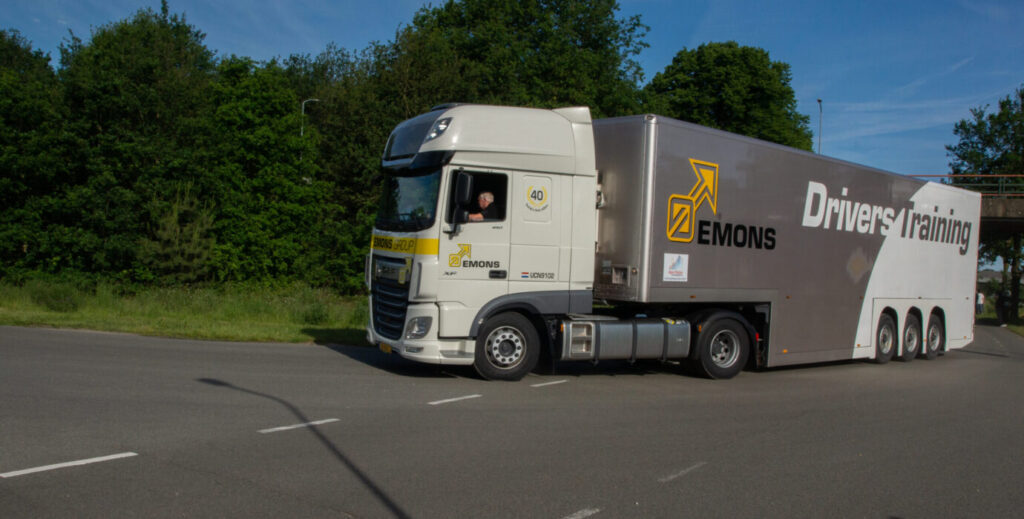
This license allows drivers to operate heavy trucks weighing more than 3.5 tonnes.
Typical roles include: rigid trucks, construction material transport , municipal transport vehicles, regional delivery vehicles
Category CE License
Category CE allows drivers to operate articulated trucks with trailers.
This license is required for: long-distance freight transport , international logistics routes, container transport , fuel tankers, heavy haulage operations
Most European employers prefer candidates with Category CE experience, especially for cross-border logistics roles.
Code 95 Certification (CPC Requirement)
One of the most critical prerequisites for working as a professional truck driver in Europe is obtaining the Certificate of Professional Competence (CPC), commonly known as Code 95.
Code 95 confirms that drivers are professionally trained to operate commercial vehicles safely within European transport systems.
This certification includes training in: road safety regulations, driver working time rules, tachograph compliance, defensive driving techniques, cargo securing , accident prevention procedures.
Drivers must renew CPC certification every five years through periodic training.
European regulations require this certification for commercial driving operations under Directive 2003/59/EC:
Without Code 95 certification, drivers cannot legally work as professional freight transport operators in EU countries.
Driving Experience Requirements
Most European logistics companies require prior professional driving experience.
Typical expectations include:
- 2–5 years heavy vehicle driving experience
- trailer driving experience (preferred)
- long-distance driving exposure
- highway transport familiarity
Drivers with experience in:
GCC countries, international freight routes, oil & gas transport logistics, often have stronger employment prospects. Employers prioritize safety records and professional discipline over simply years of experience.
Medical Fitness Requirements
European road safety regulations require professional drivers to meet strict medical fitness standards.

Drivers must pass medical examinations covering: vision clarity, hearing ability, reaction time, cardiovascular health, neurological condition, general physical fitness
These assessments ensure drivers can safely operate heavy vehicles across long distances and challenging weather conditions.
Medical certification must be renewed periodically depending on age and national regulations.
Medical fitness standards are governed under EU driving license directives:
Psychological Assessment (Psychotechnical Tests)
Some European countries require drivers to undergo psychotechnical evaluation before employment.
These tests assess: reaction speed, decision-making ability, stress tolerance, attention levels, coordination skills
Countries such as Poland and parts of Eastern Europe commonly include psychotechnical testing during the licensing conversion process.
This evaluation helps ensure driver safety across international transport networks.
Clean Driving Record Requirement
Employers strongly prefer candidates with a clean driving history.
Drivers must typically demonstrate: no major accidents, no license suspensions, no serious traffic violations, no criminal record related to road safety
A strong safety record significantly improves job selection chances.
Many European transport companies operate under strict insurance and compliance requirements that prioritize driver reliability.
Tachograph Knowledge Requirement
Professional drivers in Europe must understand digital tachograph systems.

A tachograph records: driving hours , rest periods, speed compliance, route duration
European transport regulations strictly control driving hours to ensure road safety and prevent driver fatigue.
Drivers must comply with EU Regulation 561/2006:
Understanding tachograph usage is essential for employment eligibility.
Language Skills Requirement
Basic communication ability is another important prerequisite.
Most employers expect drivers to understand at least: basic English or local language depending on country
Language skills help drivers:
- communicate with dispatch teams
- read delivery instructions
- understand safety procedures
- navigate cross-border routes
Even basic conversational English improves employment opportunities significantly.
Work Visa Eligibility Requirements
Non-EU drivers must obtain legal authorization to work in Europe.

Most drivers enter through employer-sponsored work permits.
Typical requirements include:
- valid passport
- employment contract
- medical clearance
- background verification
- license conversion eligibility
Countries such as Germany and Poland actively recruit drivers through structured work permit pathways.
European labour mobility frameworks increasingly recognize third-country drivers as essential workers in logistics systems.
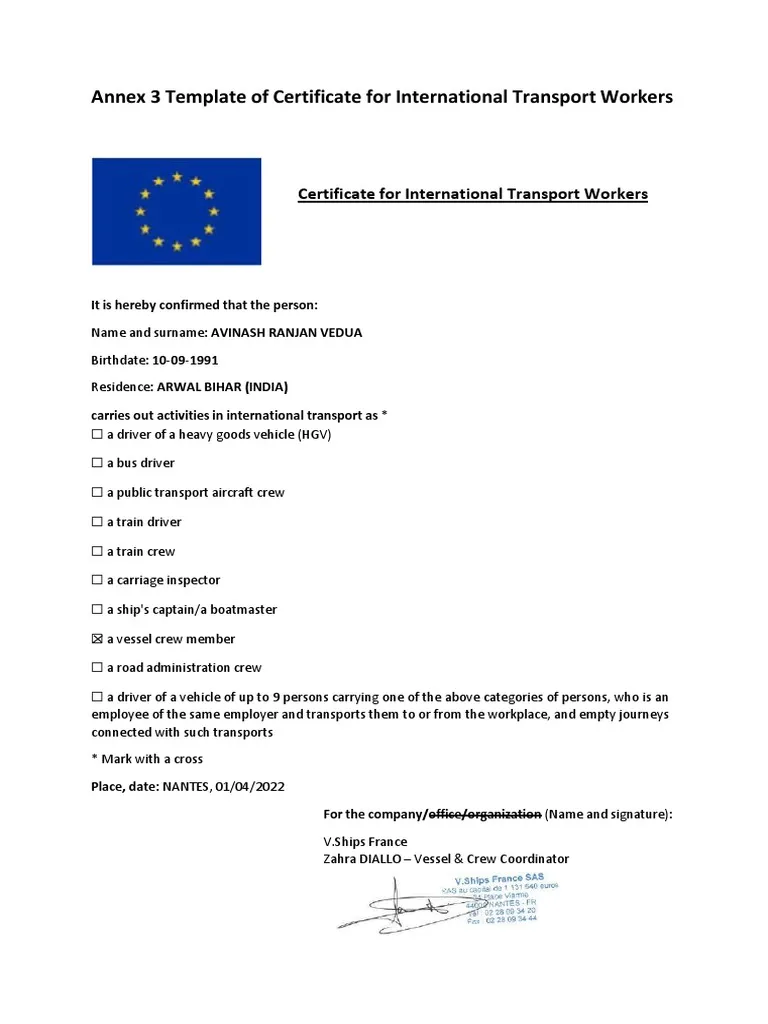
European labour market shortage documentation:
Driving License Conversion Requirements
Non-EU licenses cannot usually be used directly for commercial driving in Europe.
Drivers must complete a license recognition process.
Conversion procedures vary by country but may include:
- theory tests
- practical driving tests
- medical certification
- professional training modules
Some employers support candidates during conversion procedures.
License conversion is often completed after arrival in Europe.
Age Requirements for Truck Drivers
Minimum age requirements differ slightly across countries but typically include:
21 years minimum for Category C
21–23 years minimum for Category CE
Some employers prefer candidates between: 25 and 50 years because insurance policies influence hiring decisions.
However, experienced drivers outside this range may still qualify.
Work Experience in International Logistics (Preferred Advantage)
Drivers with exposure to international logistics environments are highly valued.
Relevant experience includes:
- border-crossing freight operations
- container transport
- temperature-controlled cargo
- fuel transport
- construction logistics support
Such experience improves employability and salary negotiation potential.
Knowledge of European Road Safety Regulations
Truck drivers in Europe must comply with strict safety frameworks.
These include:
- speed regulations
- rest-time rules
- vehicle inspection procedures
- cargo securing requirements
- environmental compliance standards
Employers often provide training, but candidates with prior exposure gain an advantage.
European cargo securing guidelines:
Digital Skills Requirements
Modern European trucks include advanced onboard technologies.
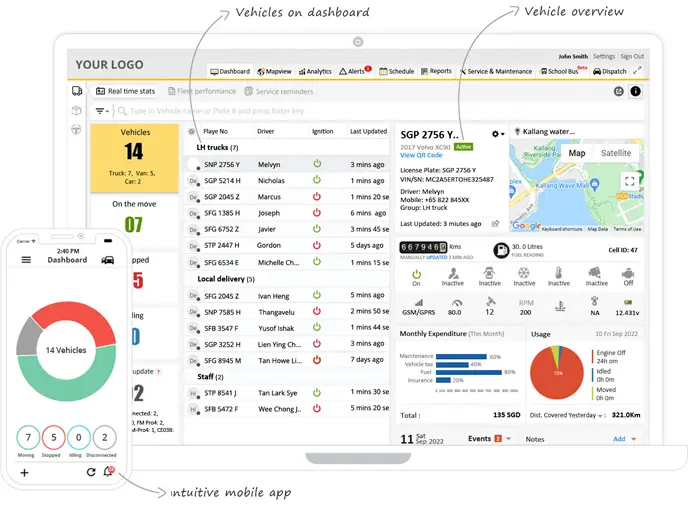
Drivers should be comfortable using:
- GPS navigation systems
- digital logbooks
- fleet monitoring systems
- route tracking platforms
Digital literacy improves operational efficiency and safety compliance.
Passport Validity Requirement
Candidates must maintain a passport valid for:
- minimum 12–18 months before applying for work permits.
This ensures visa processing continuity and contract stability.
Employer Sponsorship Requirement
Most non-EU drivers require employer sponsorship.
Employers typically support:
- work permit applications
- visa processing
- accommodation arrangements
- training support
- license conversion procedures
Working with licensed recruitment agencies improves placement success rates.
Accommodation and Adaptation Readiness
Drivers relocating to Europe must prepare for:
- climate adaptation
- long-distance travel schedules
- cross-border routes
- extended driving hours
Professional preparation helps ensure smooth transition into European logistics environments.
Insurance and Compliance Requirements

European logistics companies operate under strict insurance frameworks.
Drivers must comply with:
- employment verification
- license authenticity validation
- medical fitness confirmation
- training certification compliance
These procedures protect drivers and employers alike.
CPC Training Renewal Requirement
Code 95 certification must be renewed every five years.
Periodic training includes:
- road safety updates
- regulatory changes
- cargo handling techniques
- environmental driving practices
Continuous training ensures drivers remain compliant with evolving transport regulations.
Background Verification Requirement
Employers conduct background verification checks before hiring.
These typically include:
- employment history review
- license verification
- criminal clearance
- identity confirmation
Verification ensures transport network safety.
Physical Fitness Expectations
Truck driving involves long hours behind the wheel.
Drivers must maintain:
- good stamina
- alertness
- reaction capability
- safe posture control
Physical readiness contributes to road safety performance.
Understanding Employment Contracts
Drivers should review employment contracts carefully before accepting offers.
Contracts usually define:
- salary structure
- route type
- working hours
- leave entitlements
- accommodation support
- insurance coverage
Professional review of contract terms ensures transparency.
Why Preparation Matters Before Applying
Drivers who prepare documentation early improve their chances of successful placement.
Recommended preparation steps include:
- updating driving license records
- maintaining medical fitness documentation
- learning basic English
- understanding CPC certification process
- preparing employment history records
Preparation accelerates recruitment timelines significantly.
Opportunities for Drivers from GCC Countries
Drivers currently working in the Gulf region often meet many prerequisites already.
GCC experience provides advantages such as:
- long-distance route familiarity
- modern vehicle exposure
- structured safety training
- professional logistics discipline
These factors improve acceptance rates among European employers.
Final Thoughts
Truck driving in Europe offers excellent career opportunities, but success depends on preparation and compliance with regulatory requirements.
Candidates must understand that professional driving in Europe is structured, regulated, and safety-driven.
Meeting prerequisites such as licensing, CPC certification, medical clearance, and visa eligibility significantly increases employment success rates.
With strong preparation and employer support, international drivers can access stable careers in one of the world’s most advanced logistics environments. Please contact hr@globalacerecruits.com or +91 8137820329 / +965 65566207 for further information.