

Caregiver Jobs in Europe for Foreign Workers (2026 Complete Guide)
Across Europe, the demand for professional caregivers is rising faster than almost any other occupation. Aging populations, increasing healthcare needs, and shortages of local workers have created strong opportunities for foreign caregivers seeking stable international careers.

Countries such as Germany, Ireland, Poland, Netherlands, Austria, Finland, and Lithuania are actively recruiting caregivers from outside the European Union. For candidates with experience in elderly care, home care support, or hospital assistance roles, Europe now offers one of the most accessible pathways to international employment.
This guide explains everything you need to know about caregiver jobs in Europe, including eligibility requirements, qualifications, salary expectations, visa pathways, and long-term settlement opportunities.
Why Europe Needs Foreign Caregivers
Europe’s population is aging rapidly. In many countries, a growing percentage of citizens are over the age of 65, increasing the demand for long-term care services.
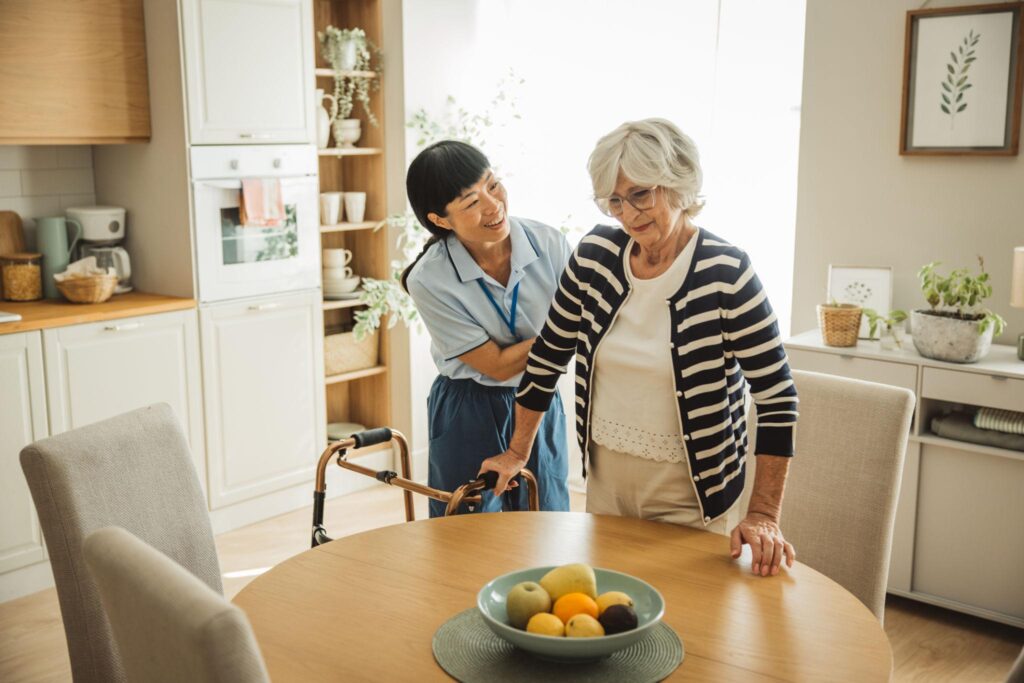
This demographic shift has created shortages in:
Elderly home care
Nursing assistance
Disability support services
Hospital support roles
Residential care facilities
Because local workforce supply cannot meet demand, European employers increasingly recruit trained caregivers from Asia and other international labour markets.
According to European labour shortage monitoring reports, caregiving remains one of the most consistently needed occupations across multiple EU countries.
What Does a Caregiver Do in Europe?
Caregivers support individuals who require assistance with daily living activities. These may include elderly persons, patients recovering from illness, or individuals with disabilities.
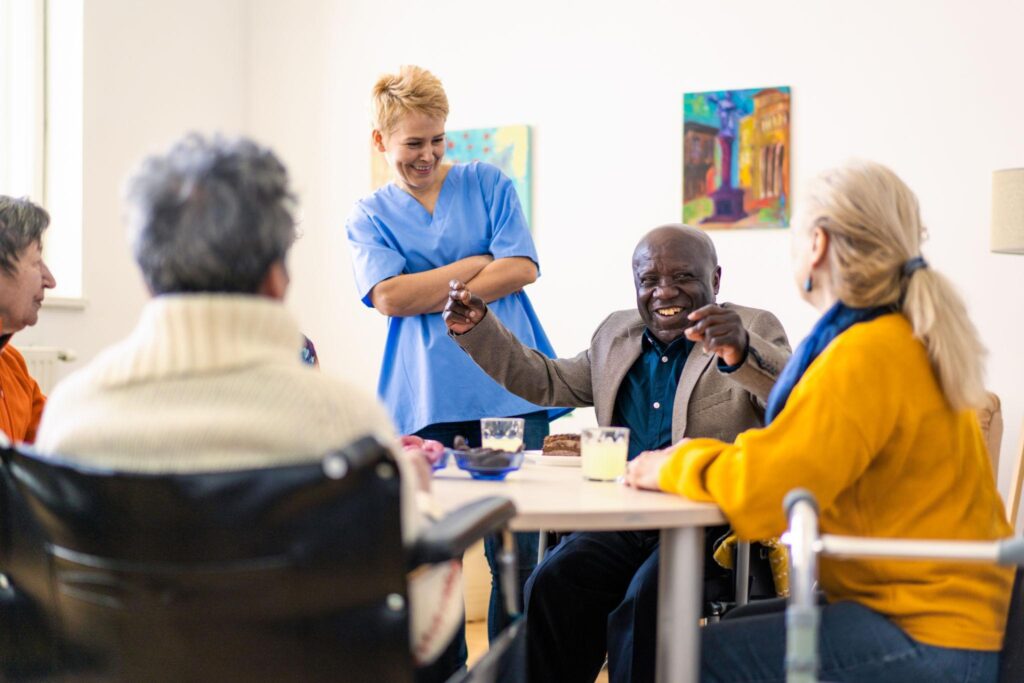
Typical caregiver responsibilities include:
- Assisting with personal hygiene
- Helping with mobility support
- Meal preparation assistance
- Medication reminders
- Companionship support
- Monitoring daily routines
- Basic housekeeping support
Caregivers play a vital role in maintaining quality of life for patients and elderly residents.
Types of Caregiver Jobs Available in Europe
There are several caregiver employment settings across Europe.
Home Caregiver
Home caregivers assist individuals living independently in their own homes.
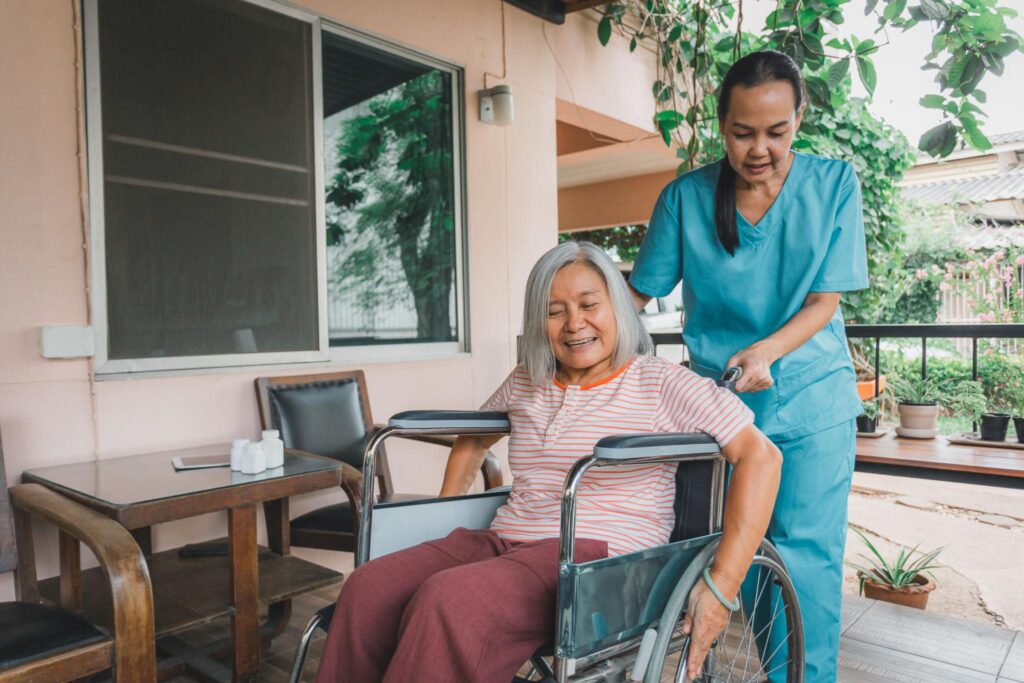
Responsibilities may include:
- Daily personal assistance
- Meal preparation
- Companionship
- Light housekeeping
Home care roles are common across Germany and Austria.
Nursing Home Care Assistant
These caregivers work inside residential care facilities supporting elderly residents.

Responsibilities include:
- Mobility assistance
- Feeding support
- Patient supervision
- Hygiene support
This is one of the most common entry-level caregiver pathways into Europe.
Hospital Care Support Assistant
Some caregivers work alongside nurses in hospitals.
Responsibilities include:
- Patient transport support
- Bedside assistance
- Basic monitoring support
Medical assistant certification improves eligibility for these roles.
Live-in Caregiver Roles
Live-in caregivers stay in the residence of the patient.
Benefits often include:
- Free accommodation
- Free meals
- Stable working environment
Live-in roles are especially common in Germany and Austria.
Countries Hiring Caregivers in Europe
Several European countries actively recruit international caregivers.
Germany
Germany offers one of the strongest caregiver employment pathways through structured immigration programs.
Demand exists for:
Elderly caregivers
Nursing assistants
Home care workers
Basic German language skills are typically required.
Ireland
Ireland has strong healthcare workforce shortages across both public and private care facilities.
English-speaking caregivers adapt quickly in Ireland’s work environment.
Netherlands
The Netherlands recruits trained caregivers for elderly support services and residential care institutions.
Certification recognition may be required depending on the role.
Austria
Austria frequently recruits live-in caregivers through agency-supported employment programs.
These roles often include accommodation and meals.
Poland and Lithuania
These countries serve as strong entry-level employment pathways into Europe.
They frequently recruit:
Elderly care assistants
Home support workers
These opportunities can lead to longer-term European career mobility.
Eligibility Requirements for Caregiver Jobs in Europe
Most employers expect caregivers to meet the following requirements:
- Caregiving experience (minimum 1–2 years preferred)
- Basic english communication skills
- Passport validity
- Medical fitness certification
- Police clearance certificate
Some countries also require language training before employment approval.
Do You Need a Nursing Degree to Work as a Caregiver?
No.
Many caregiver roles do not require formal nursing degrees.
However, training in areas such as:
Elderly care
Patient handling
First aid
Home care assistance
Significantly improves employment chances.
Candidates with experience in hospitals, clinics, or GCC home care environments are highly preferred.
Language Requirements for Caregiver Jobs in Europe
Language ability is one of the most important selection factors.
Requirements vary depending on country.
Typical expectations include:
Germany → German language A2 or B1 level
Ireland → Basic conversational English
Netherlands → English or Dutch (depending on employer)
Austria → Basic German
Learning language skills early increases placement success significantly.
Salary Expectations for Caregivers in Europe
Caregiver salaries vary depending on country, role type, and experience level.
Typical monthly salary ranges include:
Eastern Europe
€800 – €1,500
Central Europe
€1,500 – €2,500
Western Europe
€2,000 – €3,500
Live-in caregivers often receive:
free accommodation
free meals
reduced living expenses
This improves savings potential.
Work Visa Process for Caregivers
Most caregivers enter Europe through employer-sponsored work permits.
Typical process includes:
Job selection
Employment contract issuance
Work permit approval
Visa application submission
Relocation preparation
Processing timelines usually range between 1 and 4 months depending on country.
Advantages of Caregiver Jobs in Europe
Caregiving offers one of the most stable migration pathways available today.
Key benefits include:
High job demand
Structured employment conditions
Opportunities for long-term contracts
Family reunification possibilities
Pathways toward permanent residency
Healthcare support professions remain essential services across Europe.
Accommodation Support for Caregivers
Many caregiver employers provide accommodation assistance.
This may include:
Shared housing
Live-in arrangements
Utility support
Accommodation benefits significantly reduce living expenses.
Working Conditions in European Care Facilities
European caregiving environments are regulated and structured.
Workers benefit from:
Fixed working hours
Weekly rest days
Employment contracts
Insurance coverage
Paid leave entitlements
These conditions provide stability compared with informal caregiving employment in many regions.
Documents Required Before Applying
Candidates should prepare:
Passport copy
Experience certificates
Caregiver training certificates (if available)
Medical certificate
Police clearance certificate
Preparing documents early speeds up recruitment timelines.
Challenges Caregivers Should Prepare For
Although opportunities are strong, candidates should prepare for:
- Language adaptation
- Cold weather conditions
- Cultural adjustment
- Structured workplace expectations
Preparation helps ensure long-term employment success.
Career Growth Opportunities for Caregivers in Europe
Caregiving roles can lead to long-term career development pathways.
With experience, caregivers may advance into:
Senior care assistant roles
Nursing assistant positions
Healthcare support specialist roles
Facility supervisors
Additional training improves promotion opportunities.
Long-Term Settlement Opportunities
Many European countries allow caregivers to apply for:
Residence permit extensions
Family reunification visas
Permanent residency pathways
Eligibility depends on employment duration and immigration policies.
Why Now Is the Right Time to Apply for Caregiver Jobs in Europe
Europe’s caregiver demand continues to increase due to:
Aging populations
Healthcare workforce shortages
Expanding residential care facilities
Government-supported elderly care programs
This makes caregiving one of the most stable career opportunities for international workers today.
Final Thoughts
Caregiver jobs in Europe provide strong opportunities for foreign workers seeking stable international employment in a meaningful profession. With proper preparation, language training, and employer sponsorship, caregivers can build long-term careers across multiple European countries.
For candidates already working in hospitals, home care roles, or GCC caregiving environments, transitioning to Europe is becoming increasingly achievable.
With the right guidance and documentation preparation, caregiver professionals can access rewarding employment opportunities across Europe’s growing healthcare support sector. Please contact at hr@globalacerecruits.com or +91 8137820329 for more information.