

Construction Jobs in Europe for Foreign Workers (2026 Guide)
The European construction industry is experiencing one of the largest labour shortages in decades. Across Germany, Poland, the Netherlands, Ireland, Lithuania, Belgium, and several Nordic countries, employers are actively recruiting skilled construction workers from outside the European Union.
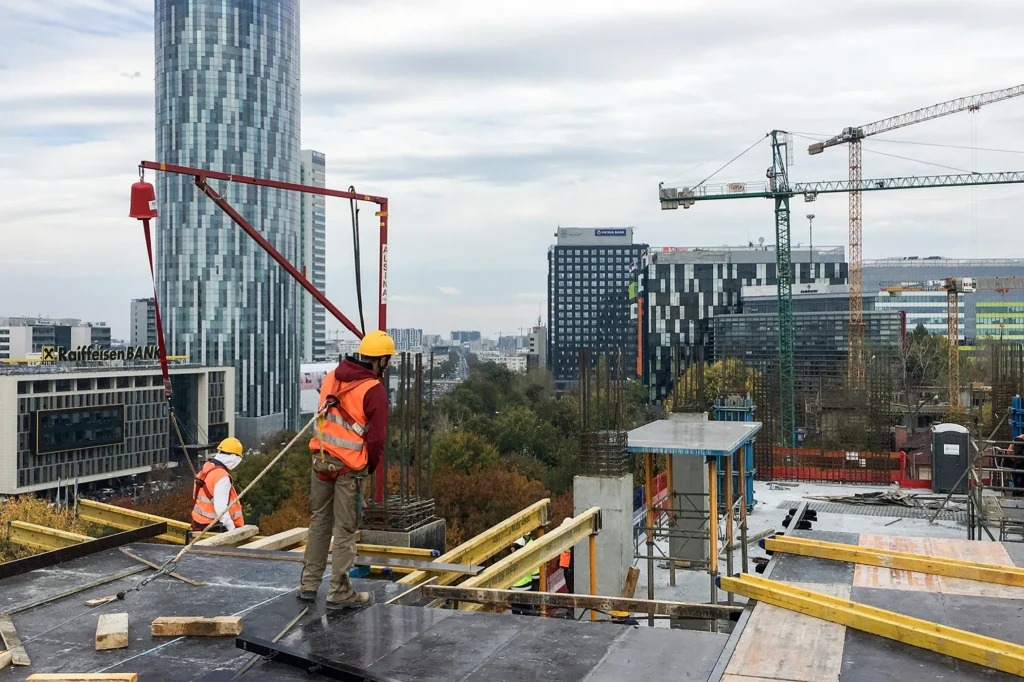
For workers from Asia, the Middle East, and GCC countries, this shortage presents a major opportunity to build a stable international career with competitive salaries, structured working conditions, and long-term residency prospects.
This guide explains everything foreign workers need to know about construction job opportunities in Europe, including roles in demand, eligibility requirements, salary expectations, visa pathways, and application steps.
Why Construction Workers Are in High Demand Across Europe
Construction demand in Europe is driven by multiple factors:
- Infrastructure modernization
- Housing shortages
- Renewable energy projects
- Industrial expansion
- Transport corridor development
- Aging workforce replacement
Many European countries face a shortage of experienced tradespeople because younger generations are choosing other professions. As a result, governments and employers are increasingly opening opportunities for skilled foreign workers.
According to European labour market shortage reports, construction trades remain among the most difficult positions to fill across multiple EU countries.
Most In-Demand Construction Jobs in Europe
The European construction sector requires both skilled and semi-skilled workers.
The following roles are currently among the highest-demand occupations:
Formwork Carpenters
Formwork carpenters are essential for: concrete structures, bridges, commercial buildings, infrastructure projects.
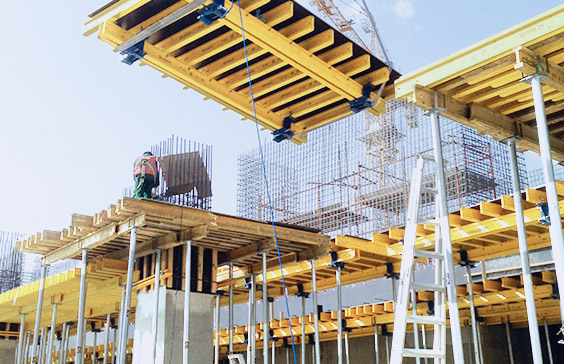
Workers with GCC experience are especially preferred because they are familiar with modern shuttering systems.
Steel Fixers
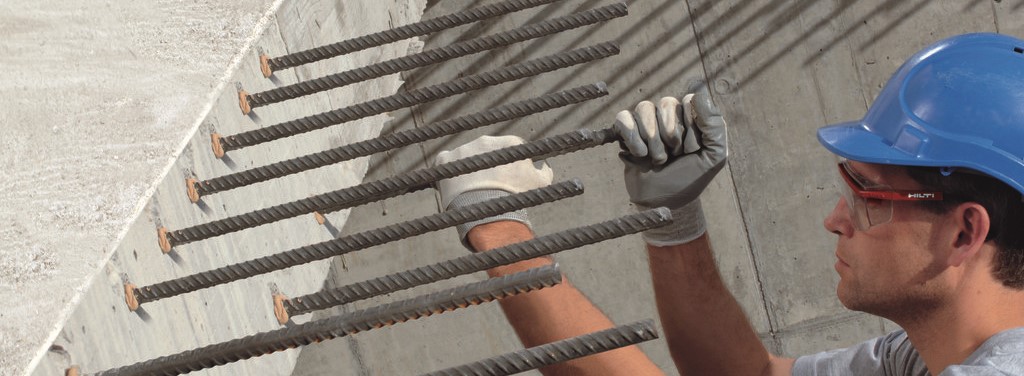
Steel fixers are needed for: reinforced concrete works, foundation construction, high-rise buildings, industrial construction projects. Experience reading reinforcement drawings is a strong advantage.
Masonry Workers
Masons are required for: block work, brick work, plastering, structural wall construction
Many European residential projects depend heavily on masonry labour.
Scaffolders
Scaffolders support safe access during construction.
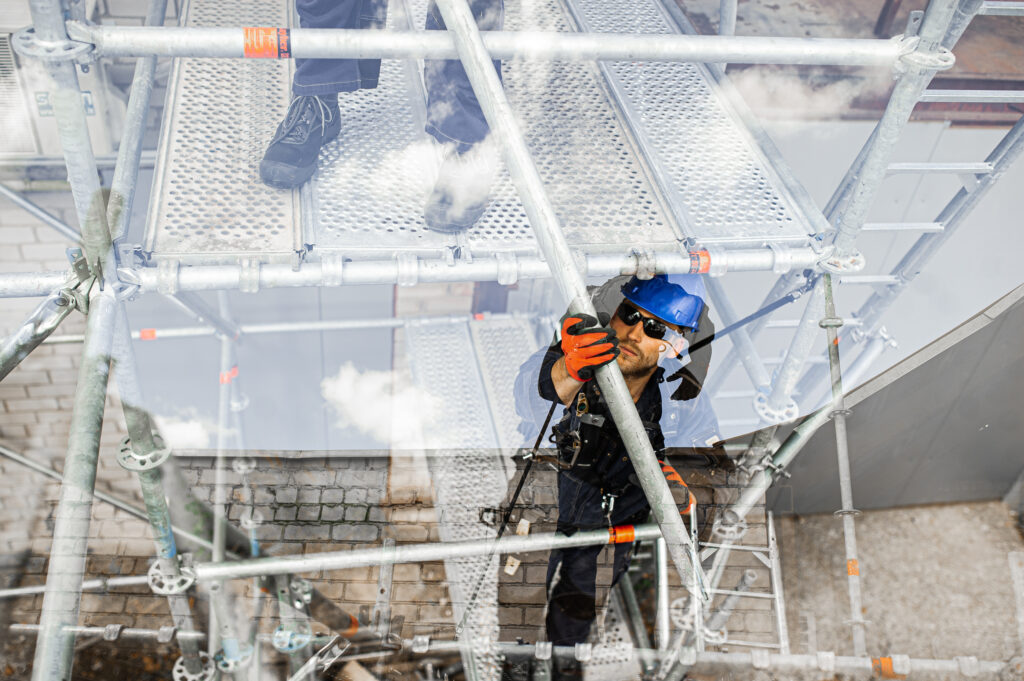
Responsibilities include: erection of scaffolding systems, inspection of structures, dismantling operations,
Safety certification improves hiring chances.
Construction Electricians
Electricians are in demand due to commercial building expansion, renewable energy installations, and industrial construction.
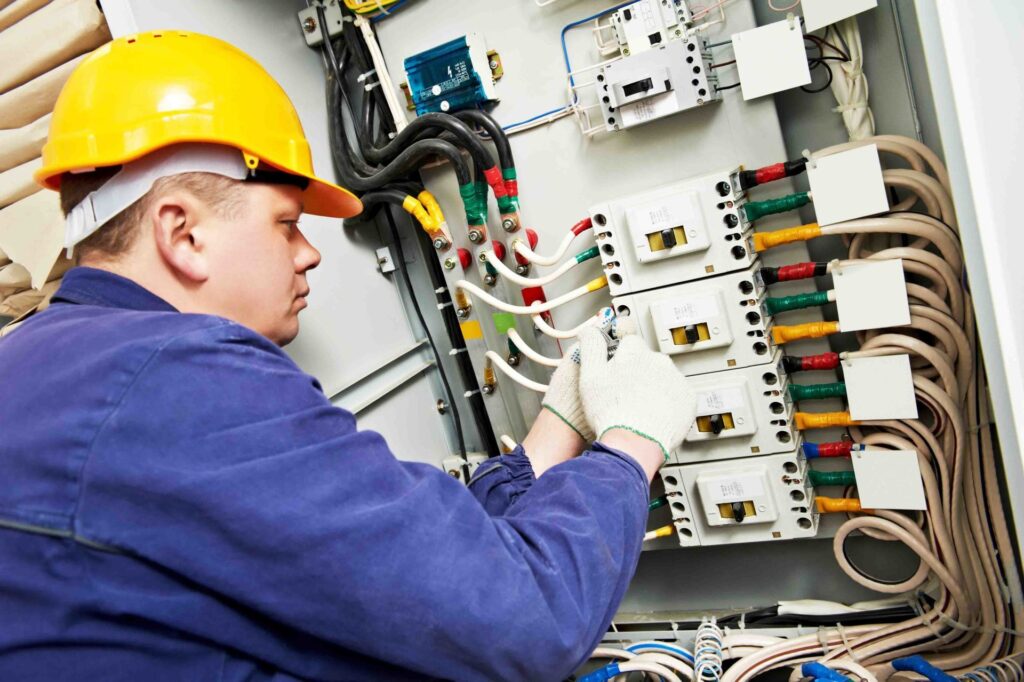
Electrical certification significantly improves employability.
Construction Welders
Welders are required for: structural steel works, pipeline installation, industrial fabrication
European employers often seek workers with MIG, TIG, or arc welding experience.
Heavy Equipment Operators
Operators are needed for: excavators, loaders, cranes, bulldozers.
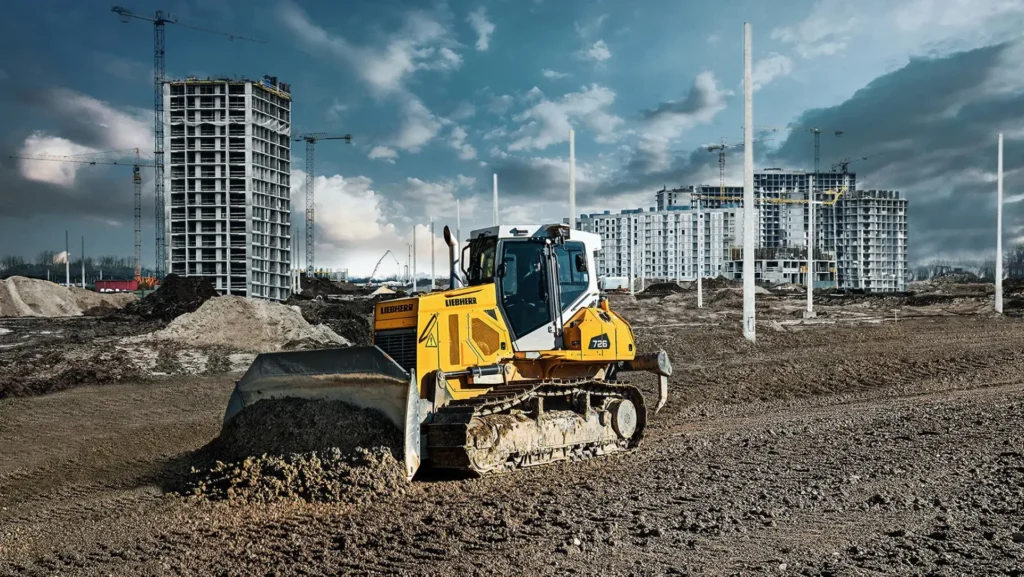
Experience handling modern machinery improves selection chances.
Countries Hiring Construction Workers in Europe
Several European countries actively recruit foreign construction workers.
Germany
Germany has strong demand for: civil workers, electricians, site supervisors, machine operators
The country also offers structured migration pathways like the Opportunity Card.
Poland
Poland is one of the most accessible entry points into European construction employment.
Demand exists for: carpenters, steel fixers, concrete workers, scaffolders
Work permit processing is relatively faster compared with many Western European countries.
Netherlands
The Netherlands requires: industrial construction workers, skilled carpenters, technical installers
English-speaking workers often adapt easily here.
Ireland
Ireland has strong construction demand due to: housing shortages, infrastructure expansion, commercial development projects
Site workers with English communication skills have strong employment prospects.
Lithuania and Eastern Europe
Eastern European countries serve as strong entry pathways for non-EU workers.
They frequently recruit: general construction workers, machine operators, structural workers.
These roles often lead to long-term European employment opportunities.
Eligibility Requirements for Construction Jobs in Europe
Foreign workers must meet certain criteria before employment approval.
Typical requirements include:
- construction experience (2–5 years preferred)
- valid passport
- medical fitness certification
- clean police clearance
- basic English communication skills
- employer sponsorship
Some countries may also require trade testing before deployment.
Do You Need Formal Qualifications?
Not always.
Many construction jobs rely on practical experience rather than academic degrees.
However, formal certification improves opportunities significantly for:
- electricians
- welders
- machine operators
- survey assistants
- site supervisors
Candidates with GCC construction experience often meet European employer expectations.
Salary Expectations for Construction Workers in Europe
Construction salaries vary depending on country, role, and experience level.
Typical monthly salary ranges include:
- general construction workers
€1,200 – €2,500
- skilled trades workers
€2,000 – €3,500
- supervisors and technicians
€3,000 – €5,000
In Western Europe, salaries are typically higher than in Eastern Europe.
Many employers also provide:
Accommodation support
Transport assistance
Overtime pay
Health insurance
These benefits improve overall earning potential.
Work Visa Process for Construction Workers
Most foreign workers enter Europe through employer-sponsored work permits.
Typical steps include:
- Job selection
- Employment contract issuance
- Work permit application
- Visa submission
- Travel approval
Processing timelines vary between countries but generally range from 1 to 4 months.
Countries such as Poland and Lithuania often provide faster entry pathways.
Safety Standards in European Construction Projects
European construction sites operate under strict safety regulations.
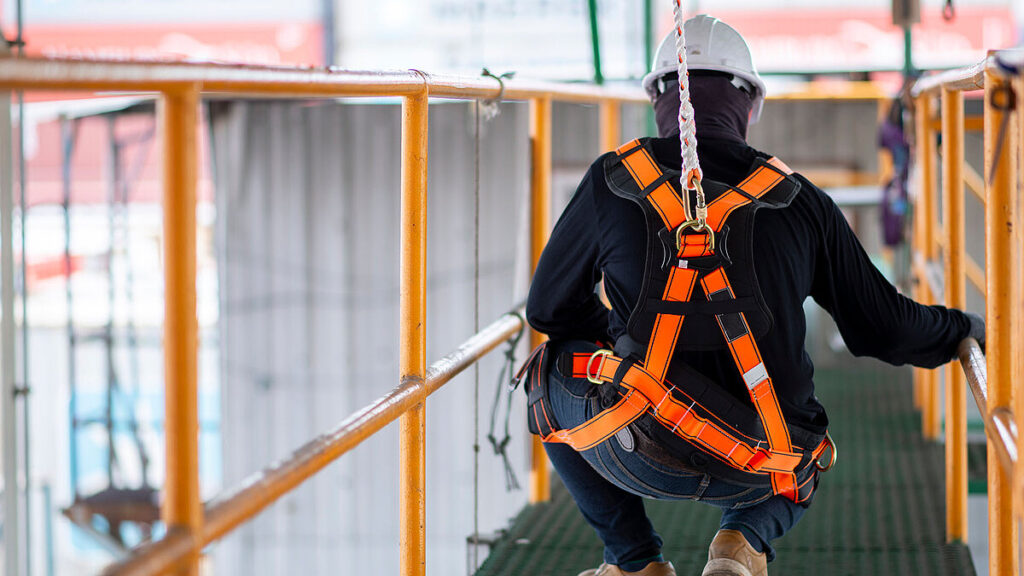
Workers must follow:
- Protective equipment requirements
- Height safety rules
- Excavation safety procedures
- Electrical safety standards
- Scaffolding compliance
- Safety awareness is a major advantage during recruitment.
Employers prioritize candidates with strong safety discipline.
Language Requirements for Construction Workers
Basic English is usually sufficient for many construction roles.
However, learning basic local language phrases improves:
team coordination
site communication
promotion opportunities
long-term employment stability
Some employers provide language training after arrival.
Working Conditions on European Construction Sites
European construction environments differ from many regions.
Workers benefit from:
- structured work hours
- mandatory rest periods
- formal contracts
- insurance protection
- regulated overtime
These conditions create stable long-term employment environments.
Accommodation and Living Support
Many construction employers provide accommodation assistance.
Support may include: shared housing, transport to worksite, utility coverage and meal allowances (sometimes)
Accommodation policies vary between employers.
Career Growth Opportunities in European Construction
Construction jobs in Europe are not limited to entry-level roles.
Workers can progress into:
foreman positions
site supervisors
equipment specialists
technical inspectors
safety coordinators
With experience, workers may qualify for permanent residency pathways depending on country regulations.
Advantages of GCC Experience for Construction Workers
Workers currently employed in Gulf countries often have strong advantages.
These include:
- Experience with large infrastructure projects
- Exposure to modern equipment
- International work discipline
- Structured safety awareness
- European employers value these qualities highly.
Documents Required Before Applying
Construction workers should prepare:
- Passport copy
- Experience certificates
- Trade certificates (if available)
- Reference letters
- Medical certificate
- Police clearance certificate
Preparing documents early speeds up recruitment timelines.
Challenges Workers Should Prepare For
Although opportunities are strong, candidates should prepare for:
Cold weather conditions
Different construction methods
Language adaptation
New safety standards
Preparation helps ensure successful transition into European projects.
Long-Term Settlement Opportunities
Many European countries allow foreign construction workers to apply for:
Residence permit extensions
Family reunification
Permanent residency pathways
Eligibility depends on employment duration and visa type.
Why Now Is the Right Time to Apply
Europe’s construction demand continues to grow due to:
Infrastructure investment
Housing expansion
Green energy projects
Transport modernization programs
This makes construction one of the most stable employment sectors for international workers today.
Final Thoughts
Construction jobs in Europe offer strong career opportunities for skilled and semi-skilled foreign workers. With proper preparation, employer sponsorship, and safety compliance, candidates can build stable careers across multiple European countries.
For workers currently employed in GCC construction projects, transitioning to Europe is increasingly achievable due to labour shortages and structured immigration pathways.
With the right guidance and documentation preparation, construction professionals can access long-term employment opportunities in one of the world’s most regulated and secure construction industries. Please contact hr@globalacerecruits.com or +91 8137820329 / +965 65566207 for further information.