

Europe is currently facing a historic shortage of professional truck drivers. Logistics companies across Germany, Poland, the Netherlands, Belgium, Lithuania, and several other European countries are actively recruiting experienced drivers from outside the European Union to support supply chains.
For drivers from regions such as India, Nepal, the Philippines, Sri Lanka, and GCC countries, this shortage creates a real opportunity to build a stable international career. However, working as a truck driver in Europe requires following a structured process that includes licensing compliance, professional certification, employer sponsorship, and visa approval.
This guide explains the complete step-by-step process for non-EU drivers to become truck drivers in Europe, including preparation, qualification requirements, and relocation steps.
Step 1: Understand the Demand for Truck Drivers in Europe
Before starting the application process, it is important to understand why opportunities exist.
Europe currently faces a large driver shortage. According to the International Road Transport Union (IRU), the region had approximately 444,000 unfilled truck driver positions in 2025, with shortages expected to continue due to workforce aging and increasing logistics demand.
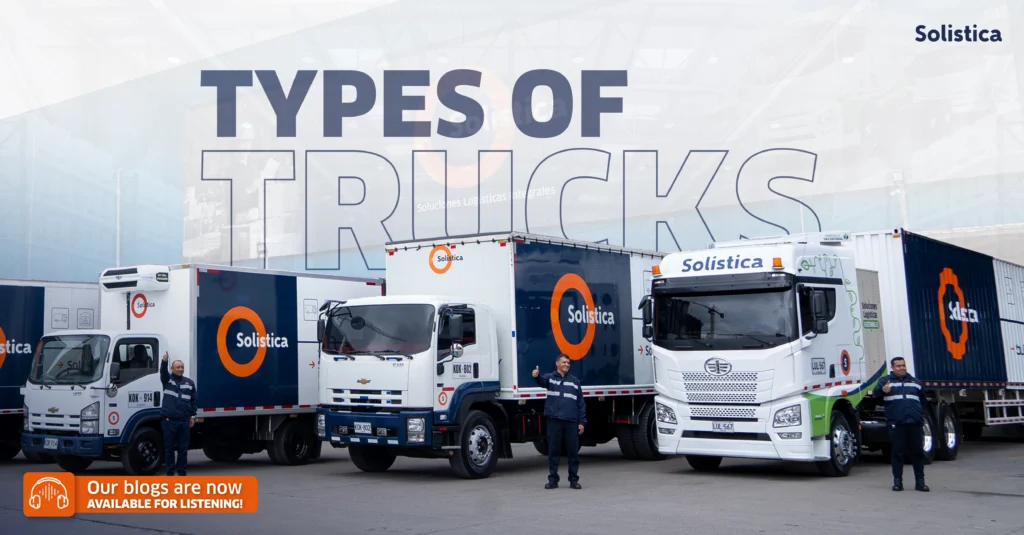
This shortage means many employers are now willing to recruit drivers from outside the EU.
Step 2: Check Your Eligibility as a Non-EU Driver
The first step for candidates is confirming eligibility.
Most European employers require:
valid heavy vehicle driving license
minimum 2–5 years driving experience
clean driving record
passport validity of at least 12 months
basic English communication ability
Drivers with GCC experience often meet these requirements easily because they already operate modern heavy vehicles and long-distance logistics routes.
Step 3: Obtain a Heavy Vehicle Driving License (Category C or CE Equivalent)
The most important requirement for working as a truck driver in Europe is holding the correct driving license.
European license categories include:

Category C – heavy trucks above 3.5 tonnes
Category CE – articulated trucks with trailers
Category CE drivers are in higher demand because they can operate long-distance international freight vehicles.
Most employers prefer candidates with trailer-driving experience.
Even if you already hold a heavy license from your home country or GCC country, conversion may still be required after arrival in Europe.
EU license framework reference:
Step 4: Understand Code 95 (Certificate of Professional Competence – CPC)
One of the most important steps in becoming a truck driver in Europe is obtaining Code 95 certification, also called the Certificate of Professional Competence (CPC).
This certification confirms that drivers meet EU professional driving standards.
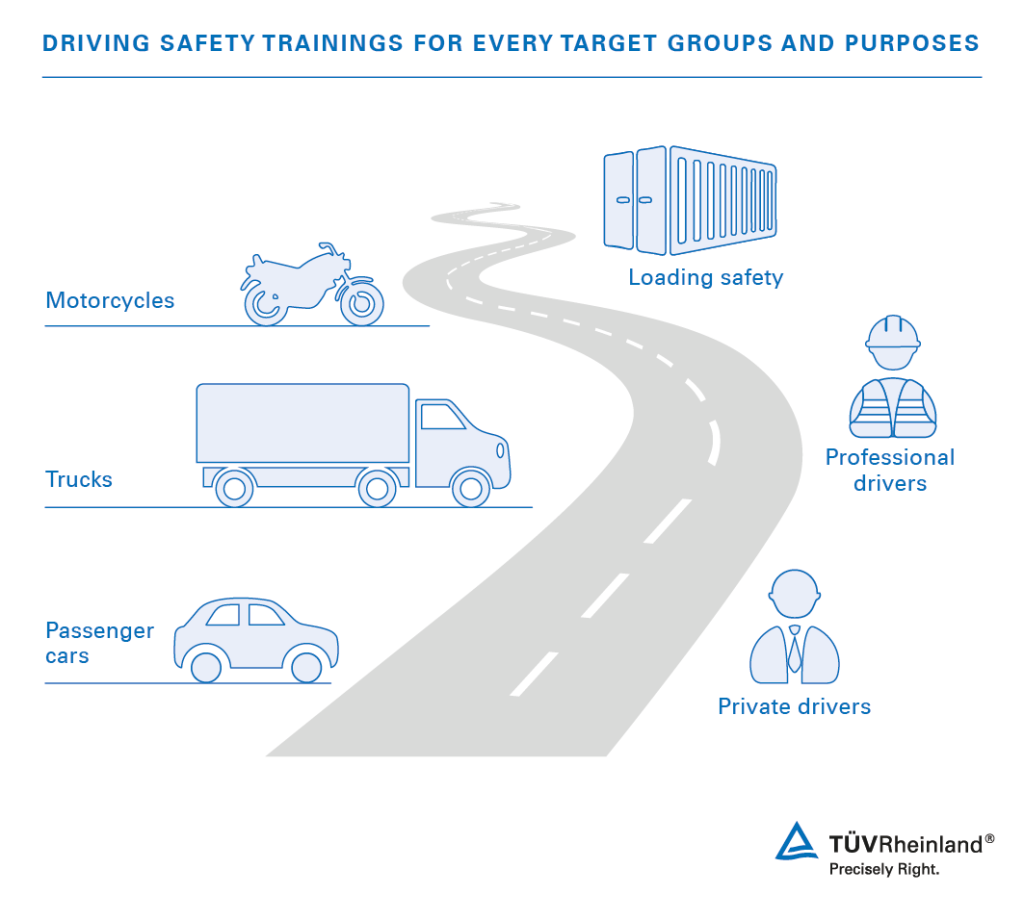
Training includes:
road safety compliance
driver working time rules
tachograph regulations
cargo securing techniques
defensive driving practices
Code 95 certification is mandatory under EU Directive 2003/59/EC.
Official directive:
Some countries allow drivers to obtain this certification after arrival through employer-supported training.
Step 5: Prepare Your Driving Experience Documentation
European employers carefully review driving experience before issuing job offers.
Candidates should prepare:
experience certificates
employer reference letters
license copies
route experience details
vehicle types operated
Experience with articulated trailers improves selection chances significantly.
Drivers with logistics experience in oil & gas transport, container transport, or cross-border freight operations are especially valuable.
Step 6: Ensure Medical Fitness Compliance
Truck drivers in Europe must meet strict medical standards before employment approval.
Medical checks include:
vision testing
hearing evaluation
cardiovascular fitness
neurological condition assessment
general physical health evaluation
These requirements are regulated under the EU Driving Licence Directive.
Candidates should complete medical testing early to avoid delays during recruitment.
Step 7: Learn Basic English Communication Skills
While fluency is not required in many cases, basic English communication significantly improves job prospects.
Drivers must understand:
route instructions
delivery documentation
dispatch communication
safety procedures
Some employers also provide language training after arrival.
Basic communication ability helps drivers adapt faster to international transport environments.
Step 8: Apply Through a Licensed Recruitment Agency or Direct Employer
There are two primary pathways to secure truck driver jobs in Europe.

Option 1: Apply Through Recruitment Agencies
Professional agencies assist with:
document verification
employer matching
license conversion guidance
visa coordination
pre-departure preparation
This route increases placement success rates.
Option 2: Apply Directly to Transport Companies
Some logistics companies recruit directly through online job portals.
However, candidates must manage documentation and visa processes independently.
For most non-EU drivers, agency support simplifies the process.
Step 9: Receive a Job Offer from a European Employer
Once shortlisted, candidates receive an employment offer.
The offer typically includes:
salary structure
route type
contract duration
working hours
accommodation support
insurance coverage
Drivers should review contract details carefully before accepting.
Salary ranges vary depending on country and route type but typically fall between:
€1,500 and €4,000 per month
European salary comparison reference:
Step 10: Employer Applies for Work Permit
After accepting the job offer, the employer usually initiates the work permit process.
Documents required include:
passport copy
employment contract
medical clearance
experience records
license details
Work permit approval timelines vary between countries but typically range from 1 to 4 months.
For example, Poland issues employer-sponsored work permits followed by a national work visa application.
Process overview:
Step 11: Apply for a National Work Visa
After work permit approval, candidates apply for a national work visa through their local embassy.
Required documents typically include:
passport
work permit approval
employment contract
medical certificate
police clearance certificate
Visa processing timelines depend on the country but usually take several weeks.
Step 12: Travel to Europe and Complete Onboarding
After visa approval, candidates travel to Europe and begin onboarding with the employer.
Initial onboarding activities include:
residence registration
tax registration
medical confirmation
training orientation
fleet introduction
Employers often provide accommodation during this stage.
Step 13: Convert Driving License if Required
Many European countries require license conversion after arrival.
Conversion steps may include:
theory examination
practical driving test
medical certification
CPC training completion
Some employers support this process financially.
License conversion timelines vary by country.
Step 14: Obtain Code 95 Certification (If Not Completed Earlier)
Drivers who did not complete Code 95 certification before arrival must complete training after relocation.
Training programs typically include:
classroom sessions
practical driving modules
safety training
tachograph compliance training
After certification, drivers become eligible for full professional driving duties.
Step 15: Begin Professional Driving Operations
Once all regulatory steps are completed, drivers begin work assignments.
Typical assignments include:
international freight transport
regional delivery routes
container transport
industrial logistics support
Drivers gradually gain experience with European transport regulations and route systems.
Step 16: Understand Driving Hours and Rest Regulations
European regulations strictly control driver working hours.
Drivers must comply with:
daily driving limits
weekly driving limits
mandatory rest periods
tachograph recording rules
These rules are defined under EU Regulation 561/2006.
Official regulation:
Understanding these rules is essential for compliance.
Step 17: Adapt to European Driving Conditions
Driving conditions in Europe may differ significantly from home countries.
Drivers must prepare for:
winter driving conditions
long-distance international routes
border crossings
highway logistics systems
Employers typically provide orientation training.
Step 18: Maintain Compliance Through Periodic Training
Professional truck drivers in Europe must maintain certification validity.
Code 95 certification requires renewal every five years through periodic training programs.
Continuous training ensures compliance with evolving safety regulations.
Step 19: Plan Long-Term Career Growth Opportunities
Truck driving in Europe offers long-term career development pathways.
Drivers may progress into:
fleet supervisor roles
trainer positions
logistics coordinator roles
specialized cargo transport roles
Some drivers also qualify for permanent residency depending on country regulations.
Step 20: Explore Family Relocation Opportunities
Several European countries allow drivers to apply for family reunification after obtaining residence permits.
Benefits may include:
education access for children
healthcare coverage
long-term settlement opportunities
Eligibility depends on employment duration and national immigration policies.
Final Thoughts
Becoming a truck driver in Europe as a non-EU candidate requires structured preparation, documentation readiness, professional certification compliance, and employer sponsorship.
However, the process is achievable and increasingly accessible due to the growing shortage of drivers across European logistics networks.
Candidates who prepare early, maintain strong driving records, and complete certification requirements significantly improve their chances of securing stable employment in Europe’s transport sector. Please contact hr@globalacerecruits.com or +91 8137820329 / +965 65566207 for further information.