

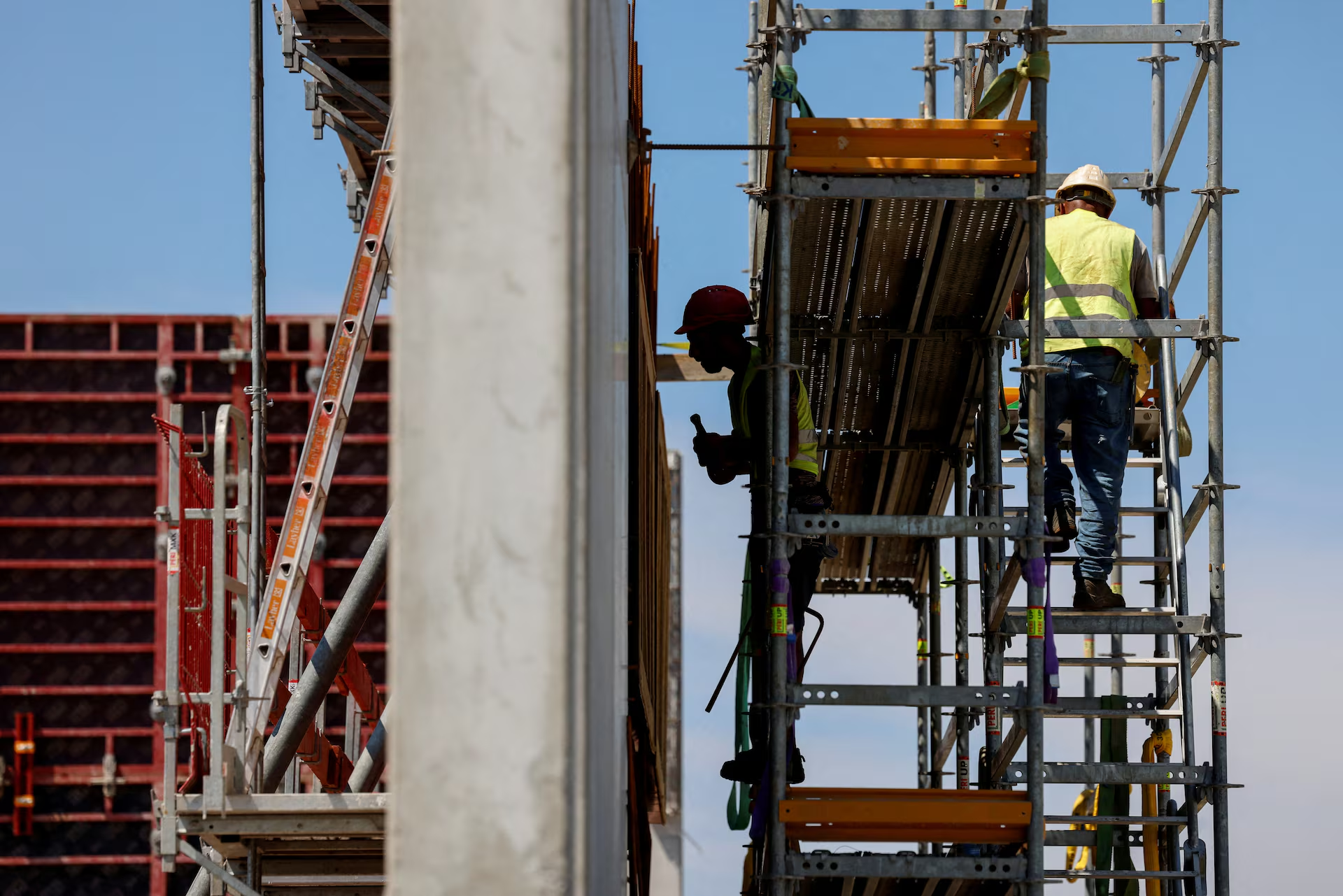
Europe is currently facing one of the most significant labor shortages in decades across multiple industries. Due to aging populations, expanding infrastructure projects, and rapid logistics growth, many European countries are actively recruiting skilled workers from outside the European Union (EU).
For workers from Asia, the Middle East, Africa, and other regions, this shortage has created new opportunities to build stable careers with competitive salaries, legal employment contracts, and long-term residency pathways.
This guide explains the most relevant trades and job sectors in Europe for non-European workers, along with eligibility expectations, salary trends, and which professions are most accessible for international candidates today.
Why Europe Is Hiring Non-EU Workers
Across the European Union, workforce shortages are increasing due to:
- aging populations
- declining birth rates
- early retirements in technical professions
- growth in logistics and infrastructure
- expansion of renewable energy sectors
- rising healthcare demand
According to the European Commission and labor market studies, several sectors face critical shortages that cannot be filled locally, making international recruitment essential.
Labour shortage occupation overview:
https://ec.europa.eu/eures/public/living-and-working/labour-market-information/skills-shortages_en
For skilled workers, this creates strong migration opportunities through employer-supported work permits.
1. Truck Drivers (One of the Highest Demand Jobs in Europe)
Professional truck drivers remain among the most in-demand occupations across Europe.

Countries actively recruiting:
Germany
Poland
Netherlands
Belgium
Lithuania
Romania
Scandinavian countries
The International Road Transport Union (IRU) reported approximately 444,000 unfilled truck driver positions in Europe in 2025.
Typical requirements:
Category C or CE license
Code 95 certification
2–5 years experience
medical fitness clearance
Monthly salary range:
€1,500 to €4,500 depending on country and route type
Truck driving remains one of the fastest-entry migration pathways for skilled workers.
2. Construction Workers
Europe’s construction sector is expanding rapidly due to:

housing shortages
transport infrastructure projects
renewable energy development
urban redevelopment programs
Trades in highest demand include:
mason
steel fixer
shuttering carpenter
tile worker
scaffolder
concrete worker
Countries with strong construction demand:
Germany
Netherlands
Ireland
Belgium
Poland
Construction workers typically earn:
€1,800 to €3,500 per month depending on specialization.
Construction skills are among the easiest pathways into European employment for non-EU workers.
3. Electricians
Electricians are in critical shortage across Europe due to rapid electrification and renewable energy expansion.

Electricians are needed for:
building construction
industrial facilities
solar installations
EV charging infrastructure
maintenance services
Countries actively recruiting electricians:
Germany
Norway
Netherlands
Austria
Sweden
Typical requirements:
technical diploma
5+ years experience
blueprint reading ability
industrial safety knowledge
Salary range:
€2,500 to €5,000 monthly depending on specialization.
Renewable energy electricians earn higher salaries.
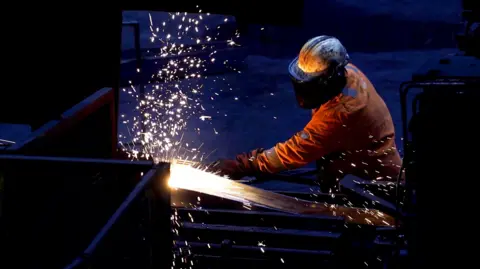
4. Welders
Welders remain one of the most consistently demanded technical trades across Europe.

Industries hiring welders:
oil & gas
shipbuilding
manufacturing
steel fabrication
pipeline construction
Specialized welding certifications increase opportunities significantly.
High-demand welding types:
TIG welding
MIG welding
ARC welding
pipe welding
Countries with strong demand:
Germany
Poland
Netherlands
Finland
Denmark
Monthly salary:
€2,000 to €4,500
Certified welders receive faster placements.
5. Nurses and Healthcare Workers
Healthcare is one of Europe’s fastest-growing employment sectors.

Due to aging populations, demand for nurses continues increasing across:
Germany
Ireland
Sweden
Norway
Netherlands
Common roles include:
staff nurses
elder care assistants
caregivers
home support workers
Healthcare shortages across Europe are documented by the European Commission:
Typical requirements:
recognized nursing qualification
language certification
professional registration
Monthly salary:
€2,500 to €5,500
Healthcare offers strong residency pathways.
6. Heavy Equipment Operators
Infrastructure development across Europe requires skilled equipment operators.
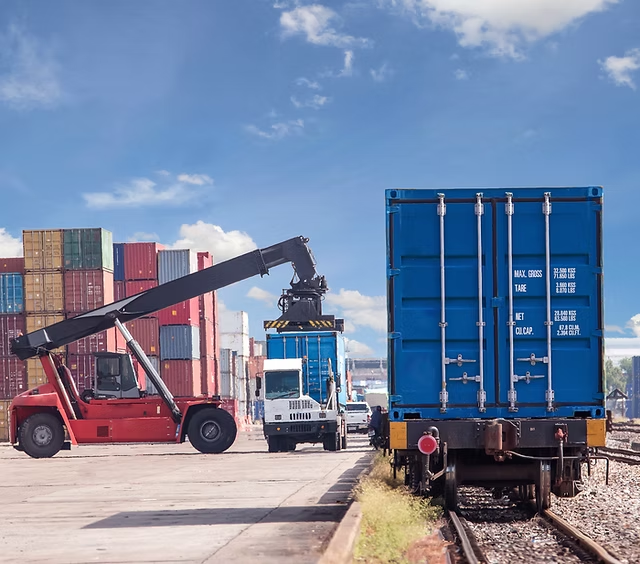
High-demand equipment:
excavators
tower cranes
forklifts
loaders
bulldozers
Countries actively recruiting operators:
Germany
Netherlands
Belgium
Poland
Requirements:
equipment certification
construction experience
safety training
Salary range:
€2,000 to €4,000 monthly
Operators with GCC experience have strong placement potential.
7. Carpenters (Especially Formwork & Shuttering Specialists)
Construction carpenters are among the most recruited trades in Europe.
Specializations in demand:
formwork carpenters
interior carpenters
shuttering carpenters
roof carpenters
Countries recruiting heavily:
Germany
Ireland
Netherlands
Belgium
Salary range:
€2,000 to €3,800 monthly
Carpenters with infrastructure project experience are especially valuable.
8. Plumbers and HVAC Technicians
Europe’s housing expansion and energy efficiency upgrades are increasing demand for:
plumbers
pipefitters
HVAC technicians
These roles support:
residential construction
commercial infrastructure
industrial facilities
Countries with strong demand:
Germany
Austria
Netherlands
Denmark
Salary range:
€2,500 to €4,500 monthly
HVAC technicians supporting green-energy systems are especially sought after.
9. Warehouse and Logistics Workers
The rapid growth of e-commerce has increased demand for logistics workers across Europe.

Common roles:
warehouse operators
forklift drivers
inventory coordinators
distribution assistants
Countries actively recruiting:
Germany
Poland
Netherlands
Belgium
Salary range:
€1,800 to €3,000 monthly
Forklift-certified candidates have better employment prospects.
10. Machine Operators and Manufacturing Technicians
Europe’s manufacturing sector continues to recruit technical operators.
Industries include:
automotive manufacturing
metal fabrication
food production
electronics assembly
Countries with strong manufacturing demand:
Germany
Czech Republic
Poland
Hungary
Monthly salary:
€2,000 to €3,800
Technical diploma holders receive preference.
11. Agricultural Workers
Seasonal and permanent agricultural jobs are widely available.
Typical roles include:
fruit picking
greenhouse work
farm equipment support
livestock management
Countries recruiting agricultural workers:
Poland
Spain
Italy
Netherlands
Agriculture jobs often provide entry-level migration opportunities.
12. Hospitality Workers
Tourism recovery across Europe has increased demand for hospitality staff.
Common roles:
hotel assistants
kitchen helpers
housekeeping staff
restaurant workers
Countries recruiting:
Germany
Ireland
Malta
Netherlands
Salary range:
€1,800 to €3,000 monthly
Hospitality jobs often provide entry-level relocation opportunities.
Most Accessible Jobs for Non-EU Workers (Fastest Entry)
The easiest sectors for relocation include:
truck drivers
construction trades
warehouse workers
welders
machine operators
These roles require fewer licensing conversions compared to regulated professions.
Most Skilled Jobs with Long-Term Residency Pathways
Some professions offer stronger immigration benefits:
nurses
electricians
HVAC technicians
truck drivers
industrial technicians
These occupations often appear on national shortage occupation lists.
Countries Recruiting the Most Non-EU Workers
Top recruitment destinations include:
Germany
Poland
Netherlands
Belgium
Ireland
Sweden
Lithuania
These countries actively support employer-sponsored work permits.
Documents Required for Most Trade Jobs in Europe
Typical requirements include:
passport
experience certificates
technical qualification
medical clearance
police clearance
employment contract
Preparation improves placement success.
How Recruitment Agencies Help Workers Move to Europe
Licensed agencies support workers by providing:
employer matching
documentation screening
visa coordination
license conversion guidance
relocation preparation
Professional guidance increases placement success rates significantly.
Final Thoughts
Europe’s labor shortage across logistics, construction, healthcare, and manufacturing sectors is creating strong employment opportunities for skilled non-European workers.
Trades such as truck driving, welding, electrical work, construction, healthcare support, and logistics operations remain among the most accessible and stable career pathways.
Workers who prepare early and align their qualifications with European standards significantly improve their chances of securing employment in one of the world’s most advanced labor markets. Please contact hr@globalacerecruits.com or +91 8137820329 / +965 65566207 for further information.