

The European transport and logistics industry is facing one of the largest workforce shortages in its history—and at the center of this challenge lies a critical demand for professional truck drivers. Across the continent, thousands of logistics companies are actively recruiting drivers from abroad to keep supply chains moving.
For skilled drivers from regions such as Asia, the Middle East, and Africa, this shortage is not just a labor market statistic—it represents a powerful opportunity to build a stable, well-paid career in Europe.
This article explores the scale of the opportunity, salary expectations, requirements, visa pathways, best countries to target, and practical steps drivers can take to secure employment in Europe’s trucking sector.
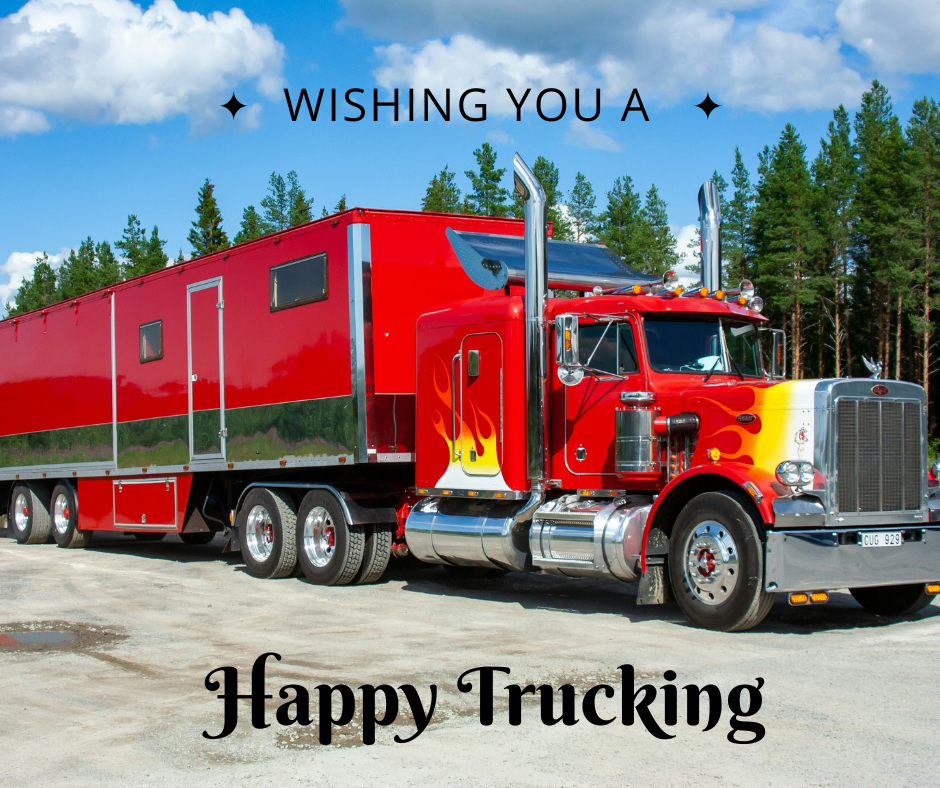
The Growing Demand for Truck Drivers in Europe
Europe’s economy depends heavily on road transport. Nearly every industry—from supermarkets and construction to oil & gas and manufacturing—relies on trucks to move goods efficiently across borders.
However, the industry currently faces a severe driver shortage.
According to the International Road Transport Union (IRU), Europe had approximately 444,000 unfilled truck driver positions in 2025, highlighting a major workforce gap across logistics networks.
Earlier surveys also reported that around 7% of driver roles across Europe remained vacant, demonstrating that the shortage has been persistent for several years.
Industry forecasts suggest that the shortage could grow dramatically due to retirement trends, with nearly 30% of drivers expected to retire by 2026 unless new workers enter the profession.
This structural shortage creates long-term opportunities for foreign drivers.
Why Europe Needs International Truck Drivers

Several major factors explain why European transport companies are increasingly recruiting drivers from outside the EU:
1. Aging Workforce
Across Europe, the trucking workforce is getting older.
Only about 6.5% of drivers are under age 25, while nearly one-third are above 55.
As older drivers retire, replacement rates remain too low to sustain logistics capacity.
2. Rapid Growth in Logistics Demand
E-commerce expansion and cross-border trade continue to increase freight volumes.
Transport companies need more drivers to support:
- warehouse distribution
- retail logistics
- industrial transport
- fuel and energy transport
- construction supply chains
3. Expansion of Cross-Border Transport Networks
Europe operates one of the world’s most integrated road freight systems. Trucks frequently travel between:
Germany
Poland
Netherlands
Belgium
France
Italy
Scandinavian countries
Drivers who can handle long-distance routes are especially valuable.
Salary Expectations for Truck Drivers in Europe
One of the biggest attractions of trucking jobs in Europe is the income level compared to many other regions.
Monthly salaries vary depending on:
- country
- experience
- route type
- language skills
- employer benefits
Across Europe, truck driver salaries typically range between:
€1,500 and €5,000 per month, depending on location and specialization.
Examples include:
Germany
Average salary: approximately €2,800/month (gross) with hourly wages ranging from €18 to €27 depending on experience.
Belgium
Typical monthly salary: €2,500–€2,800 depending on route type and allowances.
Netherlands
Average salary range: €2,400–€2,600 per month.
Switzerland and Norway
Premium markets offering €4,000–€6,000 monthly for experienced drivers.
In many cases, drivers also receive:
- accommodation support
- overtime allowances
- travel bonuses
- meal allowances
- insurance coverage
- pension contributions
These benefits significantly increase the overall compensation package.
Best European Countries Hiring Truck Drivers
While demand exists across Europe, some countries actively recruit foreign drivers more aggressively.
Germany
Germany has one of the largest logistics sectors in Europe and consistently recruits international drivers to support freight movement across the EU.
Many employers sponsor:
- work permits
- training conversions
- license recognition support
Germany also offers strong social protection benefits.
Poland
Poland serves as a major logistics hub connecting Western and Eastern Europe.
Work permit processing typically takes 1–3 months, followed by a national work visa application. (Moving2Europe)
Polish companies frequently recruit drivers from outside the EU for international freight operations.
Lithuania and Baltic Countries
Baltic transport companies operate fleets across Europe and actively hire international drivers.
Average salaries may start around $1,500/month, but international route drivers earn more. (Novalife)
These countries often serve as entry points into the European trucking industry.
Netherlands and Belgium
These countries offer:
high wages
modern fleets
excellent working conditions
However, they usually require higher qualification levels and experience.
Scandinavia
Norway and Sweden provide excellent salaries but typically require stronger language skills and prior EU driving experience.
Types of Truck Driving Jobs Available
European logistics companies recruit drivers for multiple roles.
Long-Distance International Drivers
Operate across multiple EU countries transporting freight between logistics hubs.
High salary potential
long routes
advanced vehicles
Local Distribution Drivers
Transport goods within cities or regions.
Shorter routes
stable schedules
family-friendly working hours
Specialized Freight Drivers
Handle transport such as:
fuel
chemicals
construction materials
heavy equipment
These roles often offer higher salaries.
Required Qualifications for Truck Drivers in Europe
To work legally as a professional driver in Europe, candidates must meet several requirements.
Driving License (Category C or CE)
Drivers must hold:
Category C – heavy vehicles
Category CE – articulated trucks with trailers
This is the most important requirement.
Code 95 Certification
Professional drivers in the EU must obtain the Certificate of Professional Competence (CPC) known as Code 95, which requires training and periodic renewal every five years. (Moving2Europe)
Without Code 95 certification, drivers cannot legally operate commercially in EU transport systems.
Medical and Psychological Tests
Drivers must pass:
medical fitness checks
vision tests
psychotechnical evaluation
These ensure road safety compliance.
Clean Driving Record
Employers prefer drivers with:
no major accidents
no criminal history
strong safety awareness
Can Non-EU Drivers Work in Europe?
Yes.
Many European countries are actively opening recruitment channels for drivers from outside the EU.
A recent European Commission-supported framework highlights the growing importance of third-country recruitment to address driver shortages across the continent. (CXTMS)
However, candidates must follow structured immigration procedures.
Visa Pathways for Truck Drivers
Most drivers enter Europe through employer-sponsored visas.
Typical steps include:
job offer from logistics company
work permit approval
visa application
arrival and onboarding
For example, Poland issues a Type-D National Work Visa after employer-sponsored permits are approved.
Processing timelines vary between countries but usually range from 1 to 4 months.
Benefits of Working as a Truck Driver in Europe
Truck driving in Europe offers multiple advantages beyond salary.
Stable Long-Term Employment
Transport is essential to every economy.
Drivers remain in constant demand even during economic slowdowns.
Legal Residency Opportunities
Many drivers eventually qualify for:
residence permits
family reunification
permanent residency pathways
depending on country regulations.
Access to Social Benefits
Drivers working legally in Europe may receive:
health insurance
pension contributions
paid leave
overtime benefits
These protections make the profession attractive globally.
Modern Trucks and Technology
European fleets operate advanced vehicles with:
GPS systems
automatic transmissions
driver-assist technology
safety monitoring tools
This improves working conditions significantly.
Challenges Drivers Should Understand Before Applying
Although opportunities are strong, candidates must also prepare realistically.
License Conversion Requirements
Non-EU licenses often require conversion or additional training before use in Europe.
Language Requirements
Basic English or local language knowledge improves job prospects significantly.
Adaptation to Climate and Routes
Drivers may need to operate in:
winter conditions
long-distance routes
cross-border regulatory systems
Training support is usually provided.
The Future of Truck Driving Careers in Europe
The demand for drivers is expected to continue rising for years.
Industry projections indicate the shortage could exceed 2 million drivers by 2030 if replacement rates remain low.
This makes truck driving one of the most secure international employment pathways currently available.
Opportunities for Drivers from the Middle East and Asia
Drivers from regions such as:
India
Nepal
Philippines
Sri Lanka
GCC countries
are increasingly being recruited by European transport companies.
Employers value:
international driving experience
long-distance route familiarity
discipline and safety awareness
Many companies also provide relocation support.
How Recruitment Agencies Help Drivers Move to Europe
Professional manpower agencies simplify the process by assisting with:
document verification
employer matching
visa coordination
license conversion guidance
pre-departure preparation
This increases the chances of successful placement.
For logistics companies facing urgent driver shortages, international recruitment partnerships are becoming essential.
How Drivers Can Prepare for European Trucking Jobs
Candidates interested in working in Europe should begin preparation early.
Recommended steps include:
obtain heavy vehicle driving license
gain trailer driving experience
maintain clean driving record
prepare passport validity
learn basic English communication
understand CPC / Code 95 requirements
Drivers with international freight experience have the highest success rates.
Why Truck Driving Is Becoming a Global Mobility Career
Truck driving is no longer considered only a local occupation.
Today it represents:
a migration pathway
a skilled profession
a stable long-term career
European governments and logistics companies increasingly recognize international drivers as essential contributors to economic stability.
With hundreds of thousands of vacancies across the continent and retirement trends accelerating workforce shortages, truck drivers now have unprecedented opportunities to build careers in Europe. Please contact hr@globalacerecruits.com or +91 8137820329 / +965 65566207 for further information.